
Installations and Replacements
New equipment sized to the building it serves, and a straight look at whether the old system has years left.
Replacing a furnace or an air conditioner is a decision you live with for fifteen years or more, so it deserves more than a new box in the old spot. The size of the equipment, the condition of the ducts, the electrical supply and the way the house actually heats and cools all shape what should go in. A unit copied from the old one’s label can carry an old mistake forward.
New equipment is sized and installed to fit the building, whether that is a ranch house, a rental duplex or a small office. The job covers the equipment itself and what connects it: the plenum, the refrigerant lines, the condensate drain, the thermostat wiring, and the duct changes the new system needs.
Kinds of Installation Work
| Job type | Typical reason | What the job involves |
|---|---|---|
| Furnace replacement | Typical reasonAn aging furnace, repeated ignition or limit faults, a cracked heat exchanger | What the job involvesRemoving the old unit, setting the new one, connecting gas, venting, plenum and wiring, then a full test cycle |
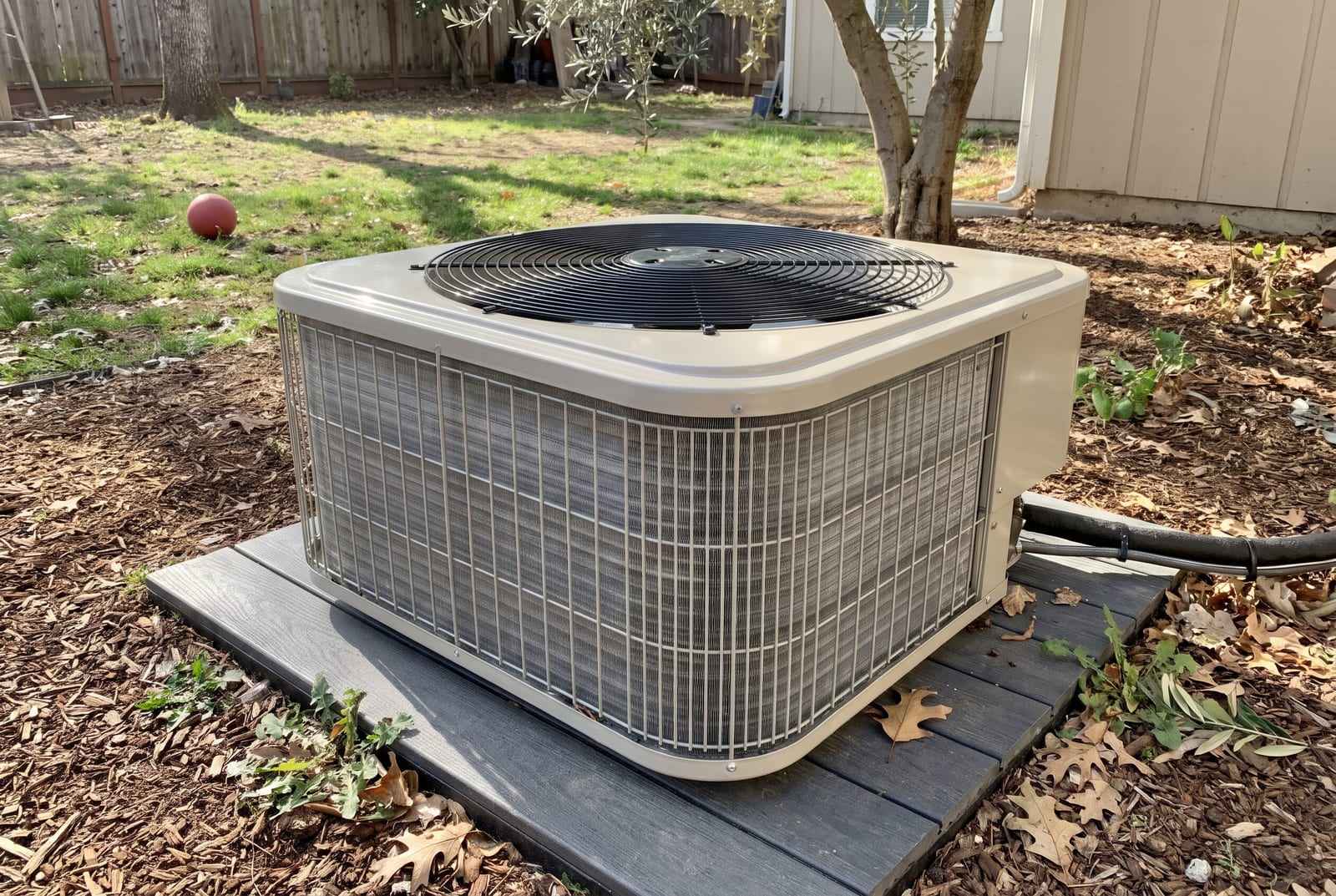
| AC replacement | Typical reasonA failed compressor, an old refrigerant type, rising bills, poor cooling | What the job involvesA matched outdoor unit and indoor coil, new or flushed line set, drain and electrical work, charging and testing |
| Heat pump installation | Typical reasonReplacing a separate AC and furnace, or adding efficient heating | What the job involvesOutdoor unit, air handler or coil, line set, controls and a check of both heating and cooling modes |
| Ductless mini-split | Typical reasonA garage conversion, an addition, a hot upstairs room, or a home without ducts | What the job involvesIndoor heads mounted on the wall, an outdoor unit, a line set through the wall and a dedicated circuit |
| Thermostat upgrade | Typical reasonAn old mechanical thermostat, a new system, or better scheduling | What the job involvesMatching the thermostat to the equipment, wiring, setup and a test of each stage |
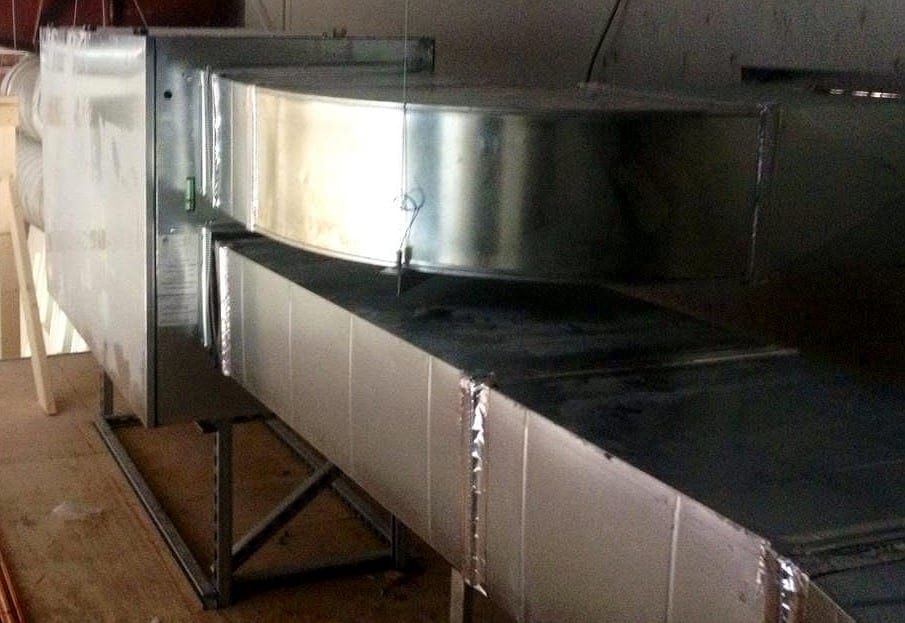
| Ductwork changes | Typical reasonRooms that never get enough air, leaking or crushed ducts, a new system with different airflow | What the job involvesMeasuring airflow, resizing or replacing runs, sealing joints and balancing the registers |
Signs It May Be Time to Replace
- The system is well into its second decade and parts are getting harder to find.
- It has needed several repairs in the last two or three years.
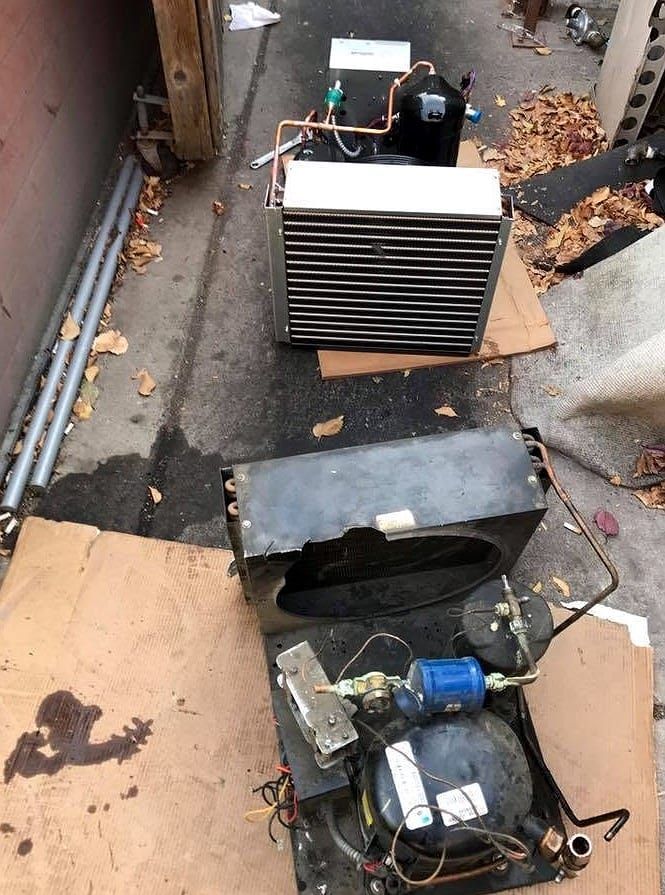
- A major part has failed: the compressor, the heat exchanger or the outdoor coil.
- Energy bills keep climbing although your use hasn’t changed.
- Some rooms are always too hot or too cold, and duct repairs haven’t fixed it.
- The air conditioner uses an older refrigerant that is no longer produced.
Repair or Replace? A Quick Helper
Answer what you know. The helper gives a leaning, not a verdict, and quotes no costs: a visit is what settles it.
Set the answers above, then press the button.
Planning a Replacement
How is the right size worked out?
Size comes from the building, not the old unit: the square footage, the insulation, the windows and which way they face, the ceiling heights and the ductwork. An oversized air conditioner cools in short bursts and leaves the air clammy; an undersized one runs all afternoon and still falls behind on the hottest days.
Will my existing ductwork work with a new system?
Often, but not always. A new system may move more or less air than the old one, and ducts that were undersized, crushed or leaking hold it back. The ducts are checked and measured before the equipment is chosen, and changes are part of the plan rather than a surprise later.
How do I choose between a furnace with AC, a heat pump and a mini-split?
A gas furnace with central air suits a house with good ducts and a gas line. A heat pump heats and cools with one outdoor unit and suits mild winters. A ductless mini-split fits rooms without ducts, additions and converted spaces. The house, the ducts and the gas and electrical service usually narrow the choice quickly.
What moves the size of a job up or down, from duct condition to permits, is set out on What Affects the Cost.
Planning a new system? Start with a visit to measure the house.