
Maintenance and Inspections
Seasonal tune-ups that catch worn parts before the first hot afternoon or the first cold night.
Most breakdowns on the hottest day of July begin as small wear that nobody saw in April: a capacitor drifting out of range, a coil gathering dust, a condensate line slowly closing up. A seasonal check finds those while they are still small parts and quick fixes rather than a dead system with the house at ninety degrees.
A maintenance visit is an inspection with readings, not just a filter swap. The system is run and measured, its parts are looked over and cleaned where needed, and you hear what was found, what is fine, what is wearing, and what can wait.
What Wears, and When It Matters
| Component | What wear looks like | Season it matters |
|---|---|---|
| Filters | What wear looks likeGrey and packed with dust, bowed in the frame, or the wrong size leaving gaps | Season it mattersAll year, more often in summer |
| Blower | What wear looks likeDust caked on the wheel, a noisy or slow motor, weak airflow at the registers | Season it mattersBoth seasons |
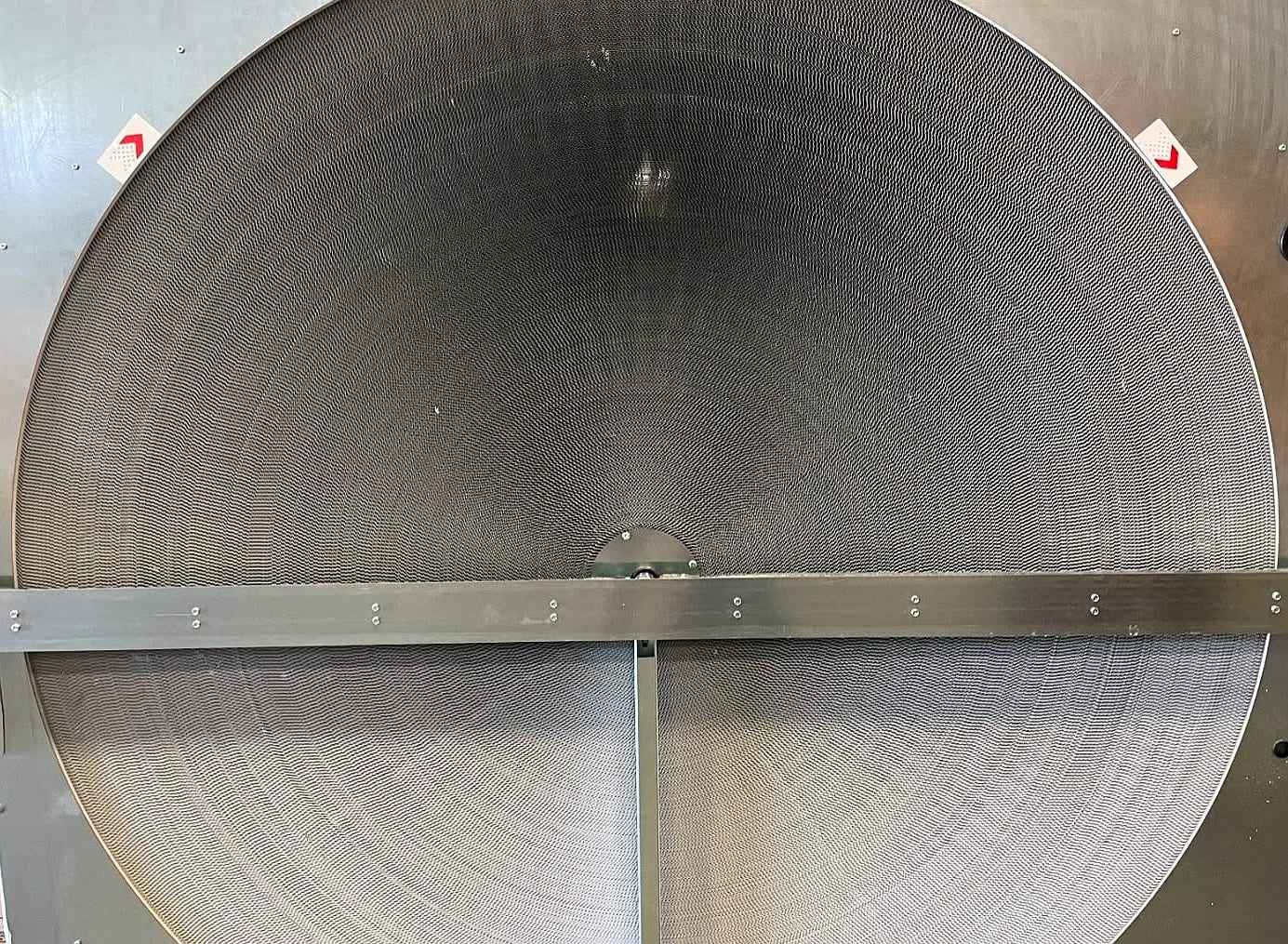
| Coils | What wear looks likeDirt matted on the outdoor coil, a dusty or iced indoor coil, bent fins | Season it mattersCooling season |
| Condensate drain | What wear looks likeSlow or stopped drain, algae in the line, water in the pan or around the unit | Season it mattersCooling season |
| Burners and heat exchanger | What wear looks likeYellow or uneven flames, soot, rust, a flame sensor that has coated over | Season it mattersHeating season |
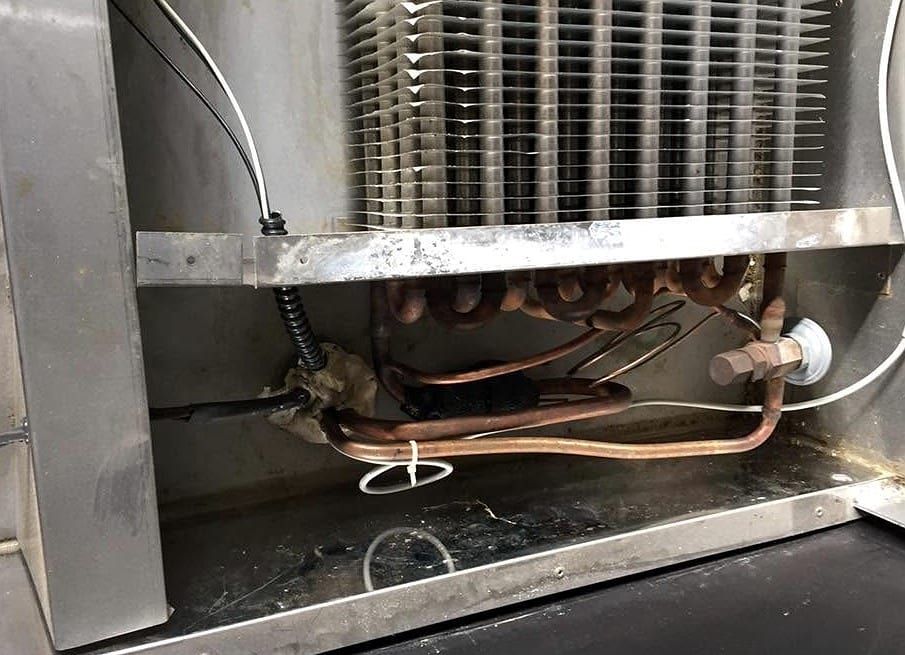
| Refrigerant lines | What wear looks likeTorn or missing insulation, oily spots at joints that hint at a leak | Season it mattersCooling season, and heating for heat pumps |
| Thermostat | What wear looks likeReadings that don’t match the room, short cycling, a dim or blank display | Season it mattersBoth seasons |
| Electrical connections | What wear looks likeLoose or discolored terminals, a bulging capacitor, a pitted contactor | Season it mattersBoth seasons |
Signs Your System Is Due for a Check
- It hasn’t been looked at in a year or more.
- It is about to start its heavy season: air conditioning in spring, heating in autumn.
- It sat unused for months, in a rental between tenants or a vacant house.
- Airflow feels weaker than it used to, or the system runs longer to reach the setpoint.
- There is a new smell, a new noise, or water where there wasn’t any before.
- You are buying or selling a home and want to know what condition the system is in.
Maintenance Questions
How often should a system be serviced?
Once a year for each side of the system: the cooling side before summer and the heating side before winter. A heat pump does both jobs and works most of the year, so it benefits from a check before each season. Filters are on their own schedule: check them monthly in the cooling season.
Before which season should I book it?
Air conditioning in spring, before the first long run of hot days. Furnaces in early autumn, before the first cold nights. Booked ahead of the season, a problem can be fixed while you still don’t need the system.
What does an inspection look for?
The parts in the table above, plus how the system performs as a whole: the temperature split across the coil, the airflow, the refrigerant pressures, the electrical readings, the burner flame and the venting on gas equipment, and a full cycle from start to stop.
Is an inspection worth it when buying or selling a home?
Yes. A buyer learns the age and condition of the equipment before closing, and a seller can deal with problems before they appear in the buyer’s report. Either way, the result is a plain account of what works, what is worn and what may need attention soon.
Due for a tune-up before the season turns? Ask for a visit.